The Azores

São Miguel — the largest island in the archipelago, in the mid-Atlantic

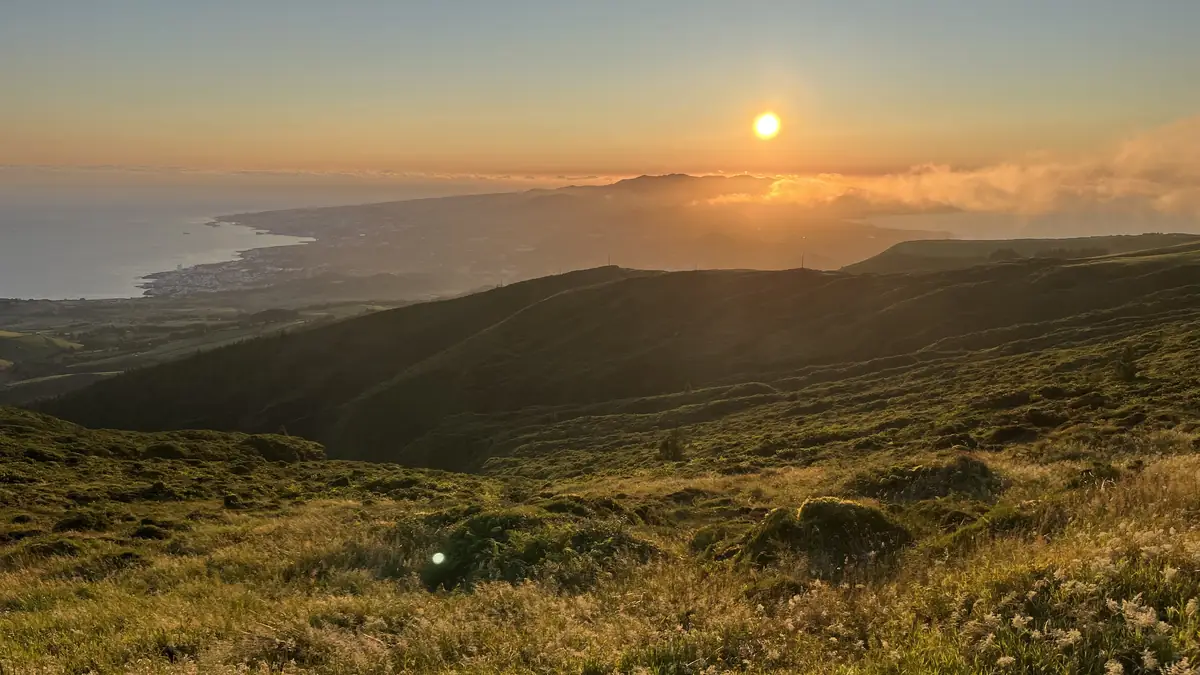
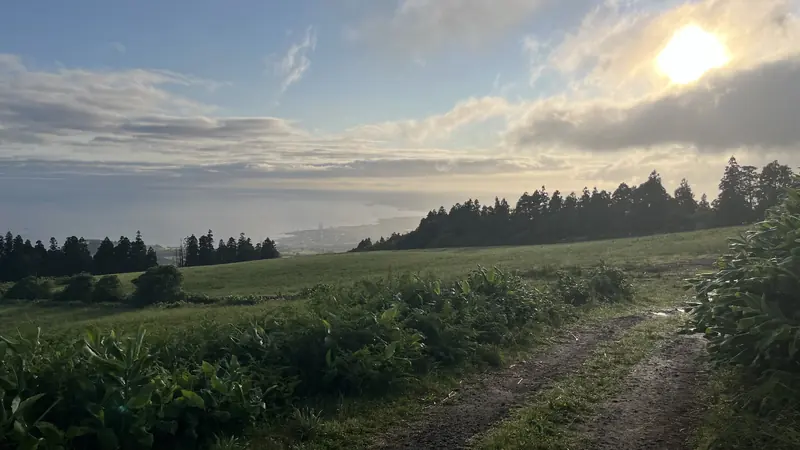
The Azores are nine volcanic islands about 1,500 km from mainland Portugal, in the middle of the Atlantic. São Miguel, the largest (747 km²), brings together crater lakes, hot springs, green pastures, and a mild climate year-round. It's a UNESCO Biosphere Reserve and remains calm and largely uncrowded.

Nature

  • Sete Cidades crater lakes — two lakes, one blue and one green, in a single crater
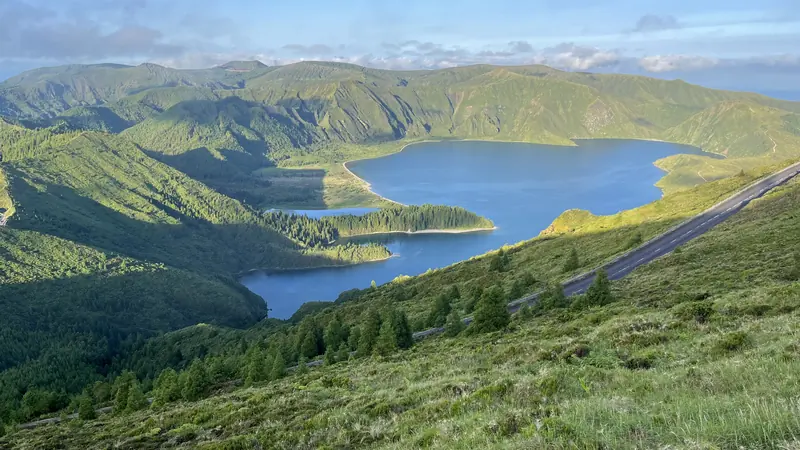
  • Lagoa do Fogo — the highest, wildest lake on the island
  • Furnas — fumaroles, thermal gardens, and the stew cooked in the heat of the earth
  • Caldeira Velha — thermal pools in the forest

Adventure

  • Whale and dolphin watching
  • Canyoning and diving
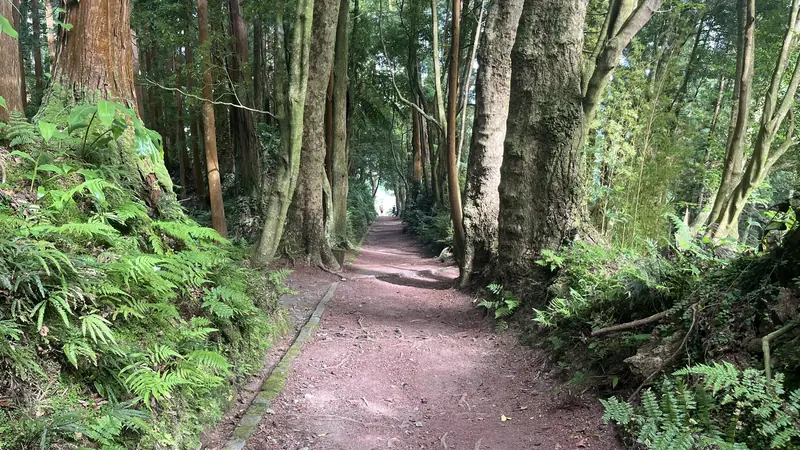
  • Hiking (PR trails) across the island
  • Surfing at Santa Bárbara beach

Culture

  • Ponta Delgada historic centre and the Portas da Cidade
  • Carlos Machado Museum
  • Chá Gorreana tea plantation — the oldest in Europe
  • Pineapple greenhouses

Food & Drink

  • Cozido das Furnas, cooked in volcanic steam
  • São Jorge cheese and local cheeses
  • Azorean pineapple and passionfruit liqueur
  • The island's craft beer scene

The four seasons on São Miguel

Spring

Mar – May

Temperature
14 – 18°C
Rain
Moderate rain
Activities
Hydrangeas in bloom, hiking, whale watching begins

Bring layers and a light rain jacket.

Summer

Jun – Aug

Temperature
20 – 25°C
Rain
Least rain
Activities
Swimming, diving, festivals

Bring sunscreen and swimwear.

Autumn

Sep – Nov

Temperature
17 – 22°C
Rain
Rain increasing
Activities
Whale watching peak, harvest season, fewer crowds

Bring a waterproof jacket.

Winter

Dec – Feb

Temperature
12 – 16°C
Rain
Most rain
Activities
Hot springs ideal, dramatic landscapes, lowest prices

Bring warm layers and waterproof shoes.

Getting here

Direct flights from Lisbon (2h), Porto, London, Frankfurt, Boston, and Toronto (seasonal). João Paulo II Airport (PDL) is 10 minutes from the house.

When to visit

A year-round destination. Summer (June to September) brings the warmest weather and the best whale watching; spring (April and May) fills the island with hydrangeas and fewer crowds; winter is mild (rarely below 12°C) and ideal for hot springs and dramatic landscapes.

The climate

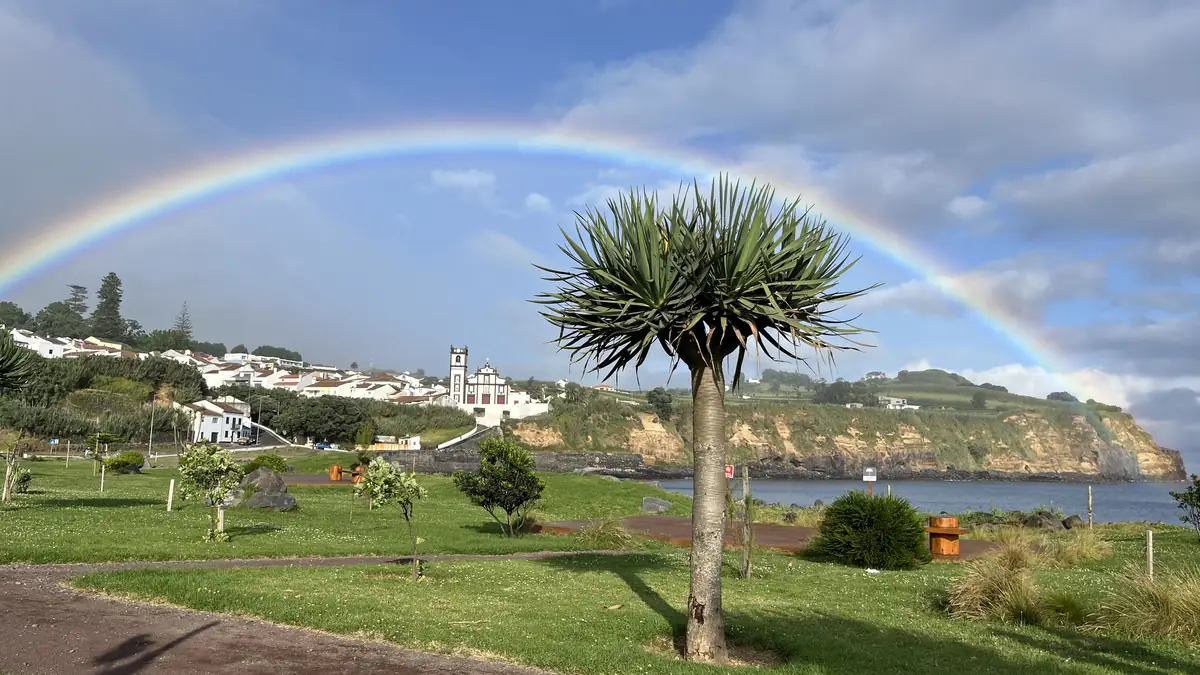
Oceanic and mild year-round, with frequent showers — bring layers. The annual average is around 17°C.